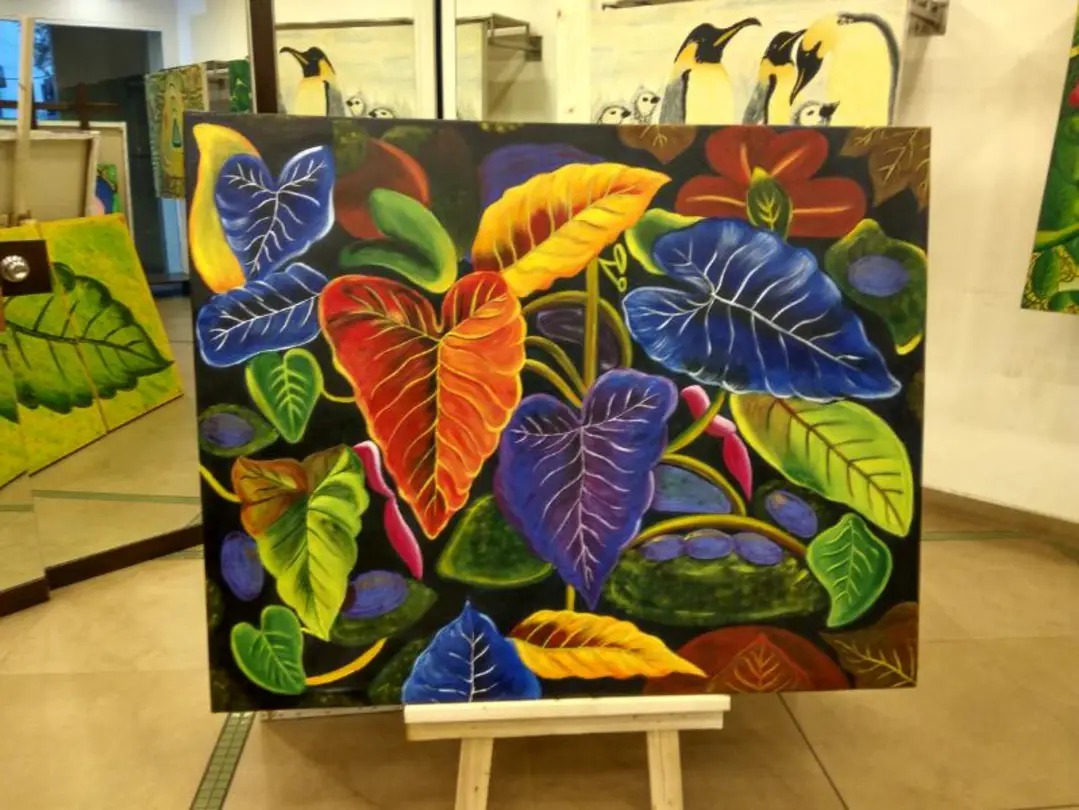
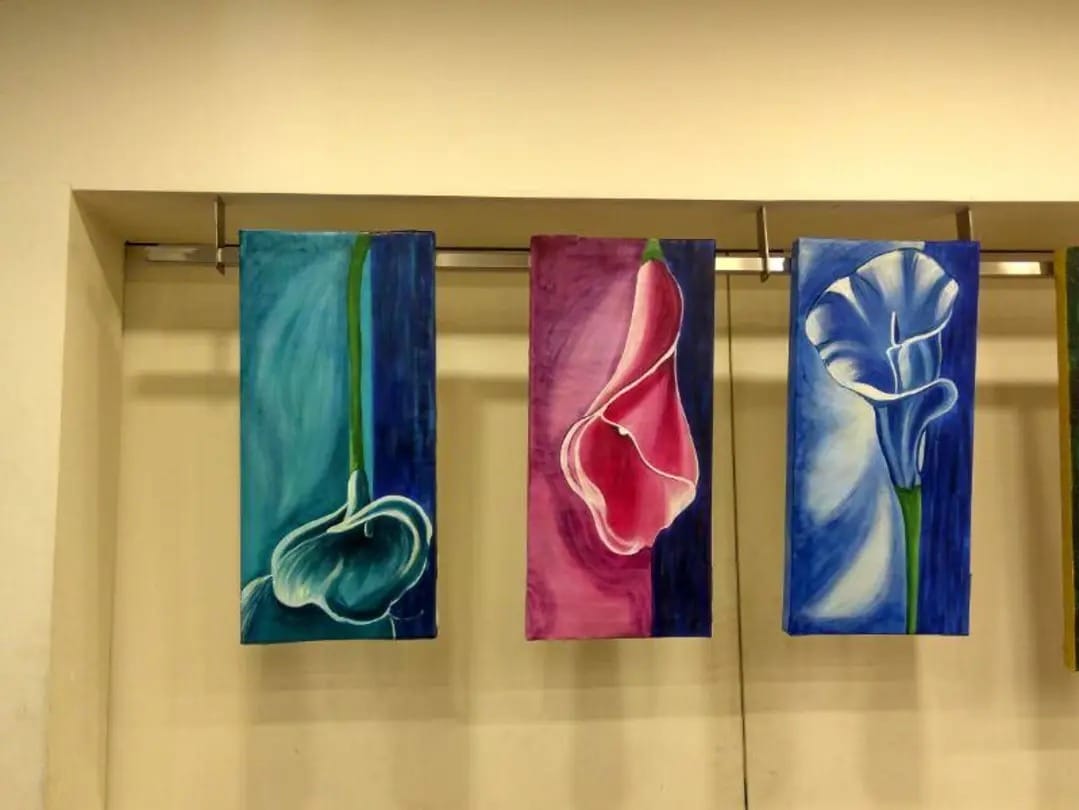
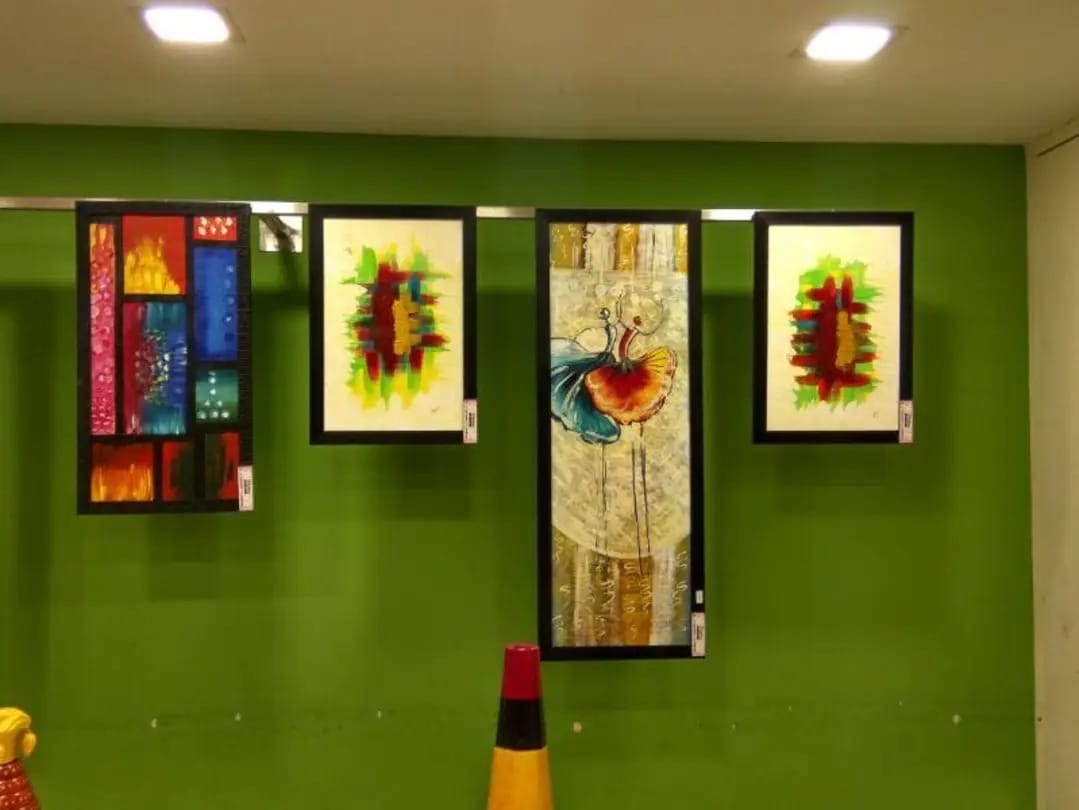
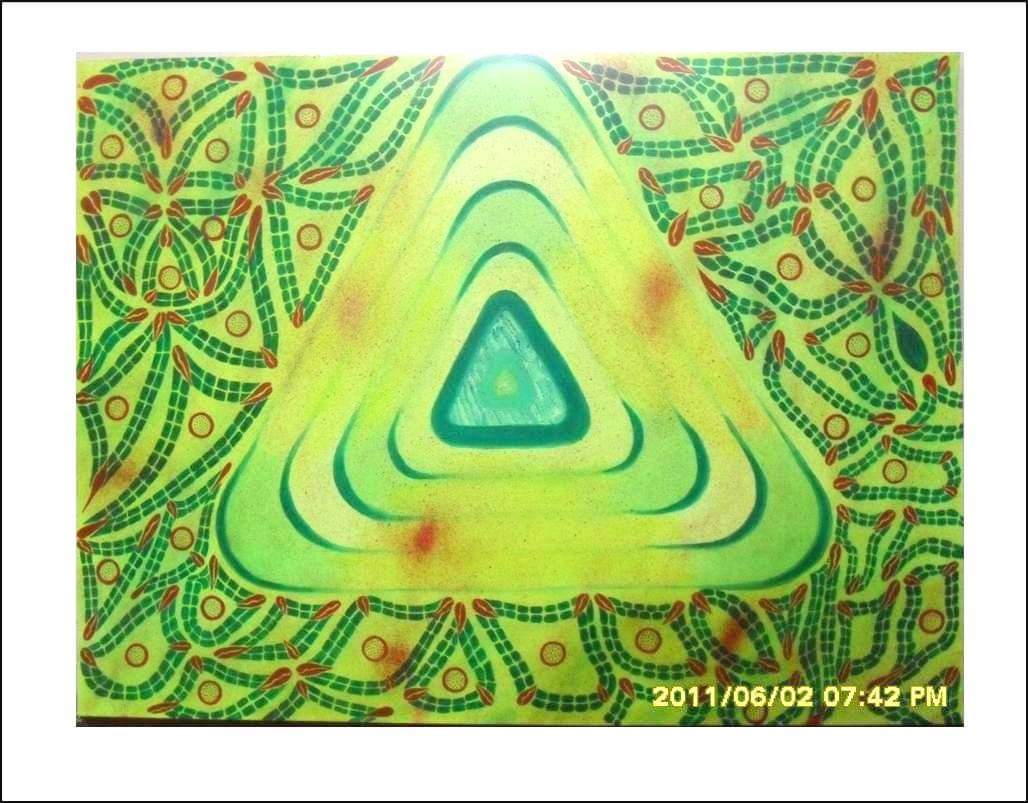
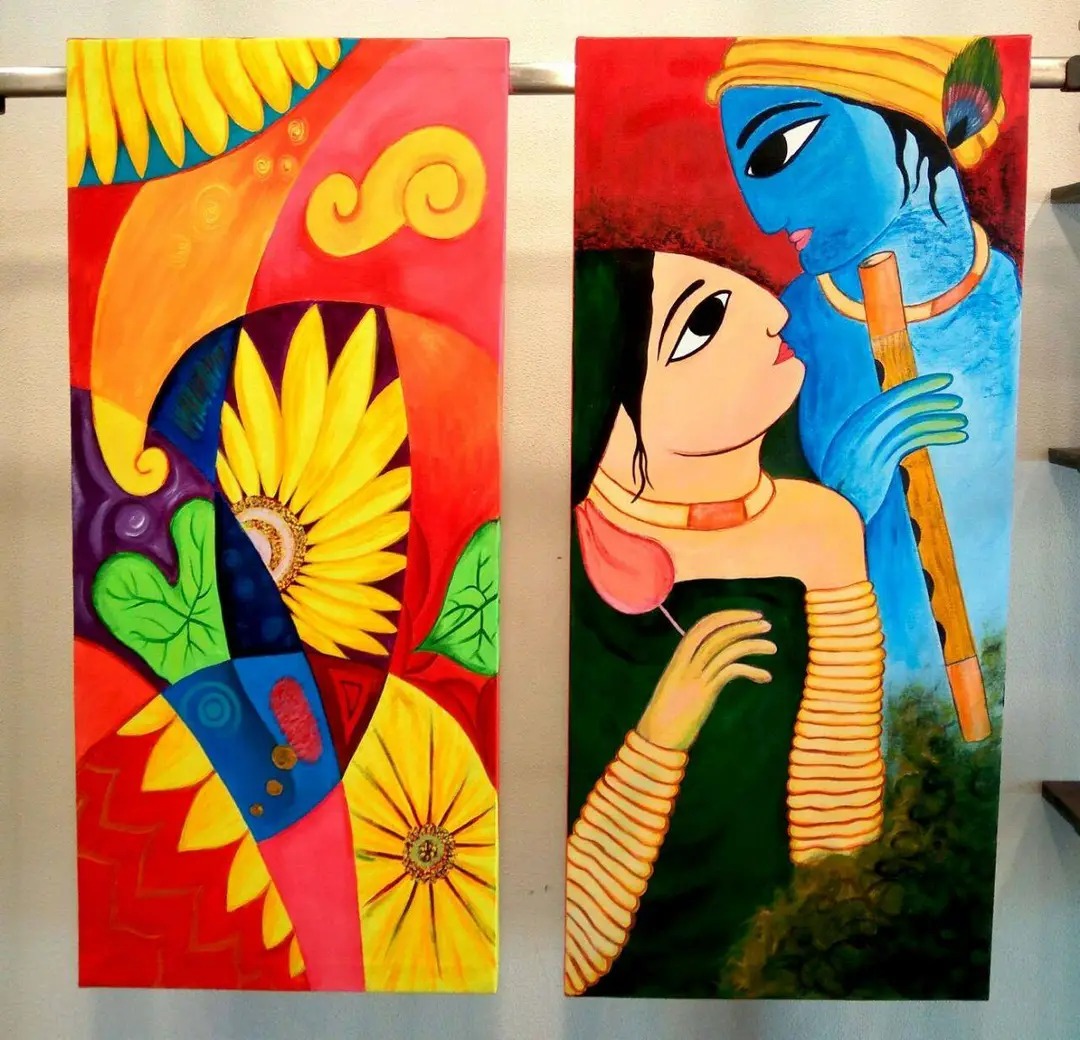
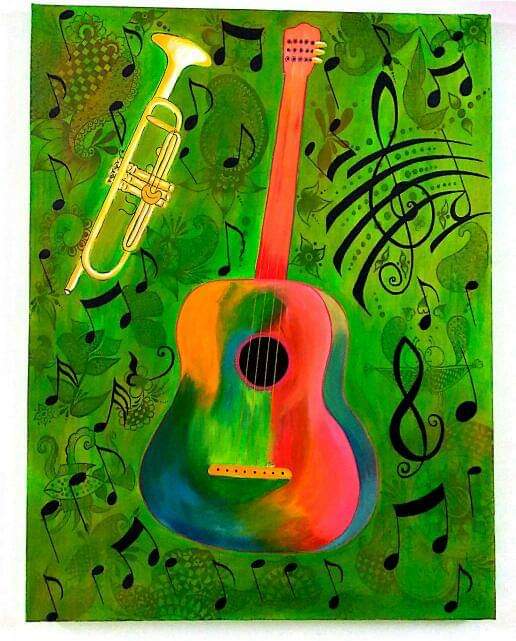
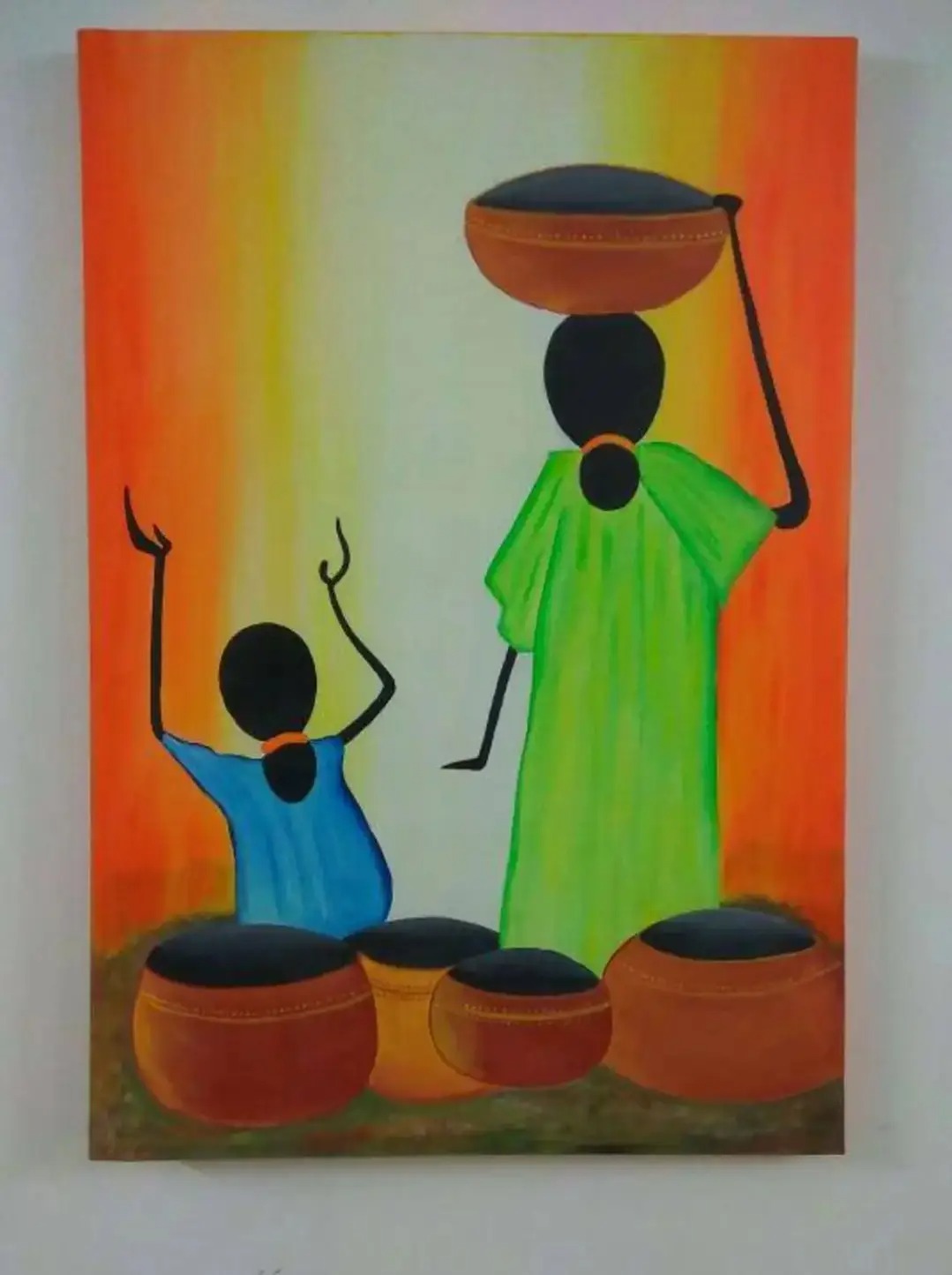
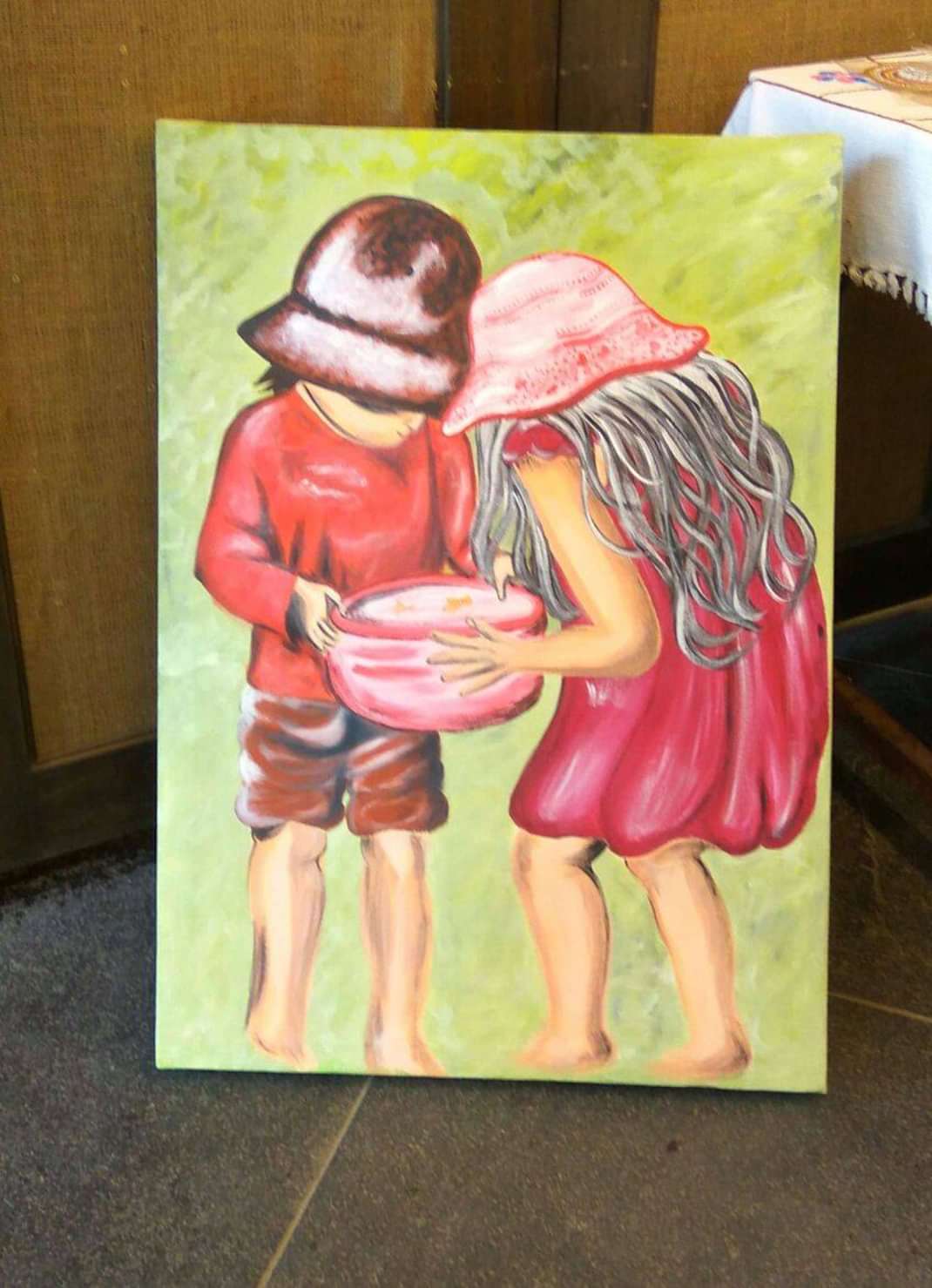
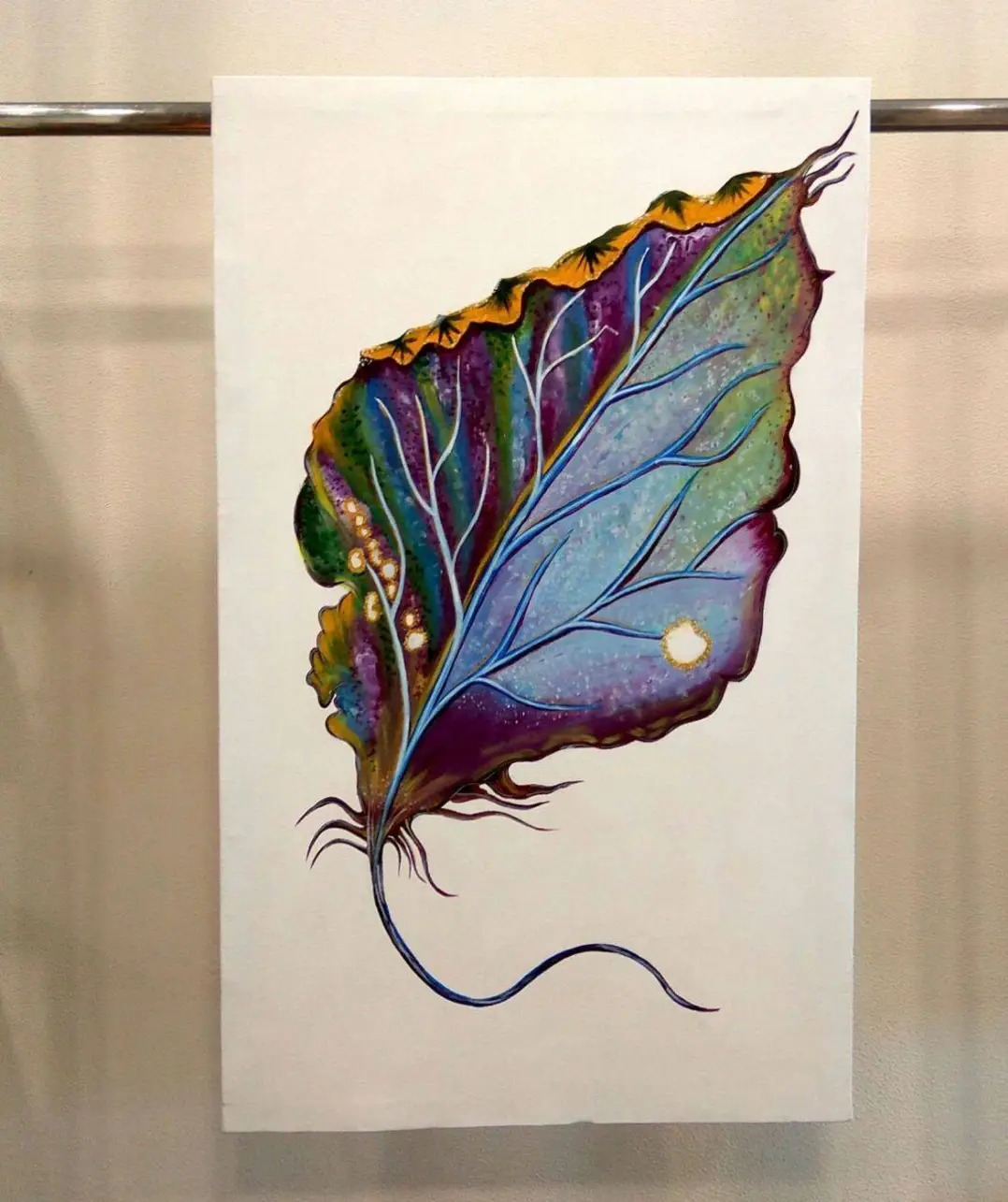
Understanding these four main art styles of painting—realism, impressionism, expressionism, and abstract art—allows us to appreciate the diverse ways in which artists have expressed their visions and emotions throughout history.
Oil painting is a centuries-old technique using pigments suspended in drying oils—typically linseed—to create durable, vibrant, and slow-drying artwork. Known for its rich colors and versatility, it allows for smooth blending, detailed glazing, or thick textured impasto, usually applied on prepared canvas or wood panels.
Oil paints are one of the most well-respected and popular types of paints and have long been a favored medium of fine artists. Oil paints produce excellent tones and colors which differentiate oil paints from other painting mediums and materials. Oil paints can also create both satisfactory linear treatment and crisp effects.
Acrylic painting is a versatile, fast-drying, and durable art medium made of pigment suspended in acrylic polymer emulsion. Known for being water-soluble when wet yet waterproof and permanent when dry, it is popular for its adaptability—capable of mimicking watercolor washes, opaque gouache, or thick, textured oil impasto.
Watercolor painting is a luminous, delicate art form where pigments suspended in water create transparent, dreamy layers on paper. It is defined by soft, misty blending (wet-on-wet) and deliberate, structured details (wet-on-dry). The magic lies in embracing "happy accidents," allowing colors to flow and mingle freely, creating ethereal effects that capture light and emotion.
Texture painting is a captivating, tactile art form that transforms flat surfaces into three-dimensional masterpieces, engaging both sight and touch. Using tools like palette knives, combs, or sponges to apply thick, sculptural paint or mediums, it creates charming depth, rustic patterns, and emotional depth. It's a joyful, creative process that brings cozy, artistic flair to any space
A mural is a breathtaking, large-scale painting applied directly to a wall or ceiling, fundamentally transforming architecture into a vivid, immersive art form. It serves as a permanent, vibrant narrative—often depicting history, nature, or mythology—that breathes life into structural surfaces, making them captivating, artistic, and socially connected storytellers.
Mandala painting is a mesmerizing, circular art form that acts as a visual map for spiritual transformation and inner peace. It features intricate, symmetrical patterns that radiate from a central "now-moment" point, symbolizing wholeness, unity, and the cosmos. This meditative art merges geometry with vibrant colors, acting as a profound, creative meditation.

Oil and Acrylic Painting